Creating Magical Moments: Interactive Storytelling Techniques for Kids
Ho
Introduction to Interactive Storytelling
As technology evolves, the art of storytelling is transforming, especially for children. Interactive storytelling invites kids to be active participants, making stories more engaging and memorable. This approach not only entertains but also educates, stimulating creativity and critical thinking.
By integrating interactive elements, we can create magical moments that capture the imaginations of young minds. Let's explore some effective techniques to bring stories to life for kids.

Choose Your Own Adventure
One of the most popular interactive storytelling techniques is the "Choose Your Own Adventure" format. This method allows children to make decisions throughout the story, leading to different outcomes. Such stories empower kids to become part of the narrative, enhancing their engagement and decision-making skills.
To implement this technique, start with a basic storyline and develop multiple branching paths. Each decision point should offer two or more choices, leading to unique storylines that children can explore time and again.
Benefits of Choice-Based Stories
Choice-based stories offer several benefits:
- Encourage critical thinking and problem-solving.
- Provide a sense of control and agency.
- Introduce the concept of consequences and multiple perspectives.

Incorporating Multimedia Elements
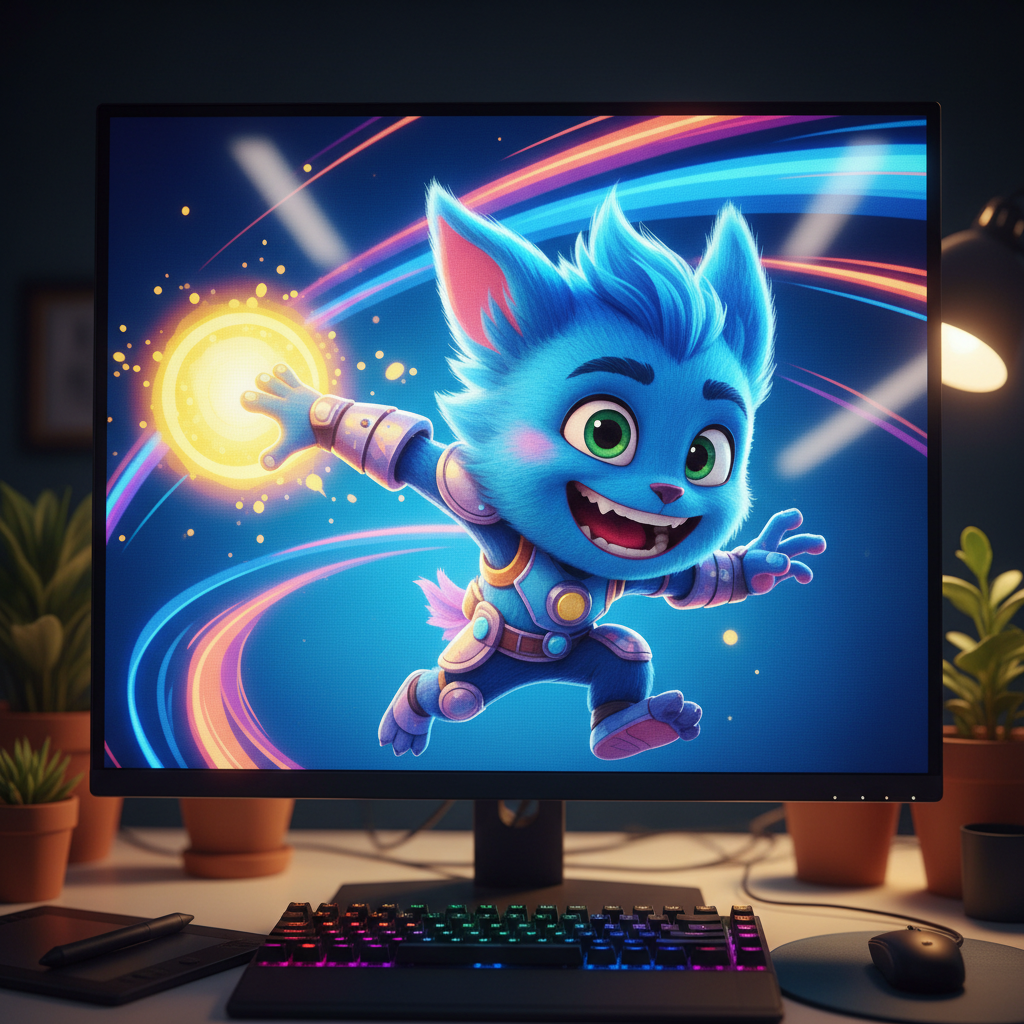
Infusing stories with multimedia elements such as sound effects, music, and animations can elevate the storytelling experience. These elements can help set the tone of the story, convey emotions, and make the narrative more vivid.
For instance, adding background music can enhance the mood, while sound effects can bring scenes to life. Simple animations can illustrate key moments, making the story more immersive for young readers.
Tools to Enhance Stories
Here are some tools to consider:
- Audio Editing Software: Create custom soundscapes.
- Animation Apps: Design simple animations to accompany the story.
- Interactive Story Platforms: Use platforms that support multimedia integration.
Engaging with Interactive Questions
Another technique is to embed interactive questions within the story. These questions can prompt children to reflect on the plot, characters, and their own experiences. By doing so, kids can deepen their understanding and connect more personally with the narrative.
Consider integrating questions that encourage predictions, empathy, and analysis. This not only keeps the kids engaged but also enhances their comprehension and critical thinking skills.
Types of Interactive Questions
Examples of interactive questions might include:
- “What do you think will happen next?”
- “How would you feel if you were the character?”
- “Why do you think the character made that choice?”

Conclusion: Creating Lasting Memories
Interactive storytelling is a powerful tool for creating magical moments for kids. By incorporating elements like choice-based adventures, multimedia enhancements, and interactive questions, we can craft stories that are not only entertaining but also educational.
These techniques make the storytelling experience more dynamic and memorable, encouraging children to explore the wonders of their imagination and learn valuable lessons along the way. As we continue to innovate in storytelling, we open new worlds for young minds to discover and enjoy.