Encouraging Emotional Growth: The Role of Children’s Books
Ho
The Power of Storytelling in Emotional Development
Children’s books are more than just stories; they are powerful tools for fostering emotional growth. Through engaging narratives and relatable characters, kids learn to navigate their feelings and understand the emotions of others. These books offer a safe space for children to explore complex topics and develop empathy.
Stories often present scenarios children might encounter in real life, allowing them to experience and process emotions in a controlled setting. This exposure helps build emotional intelligence, a crucial skill for social interactions and personal development.
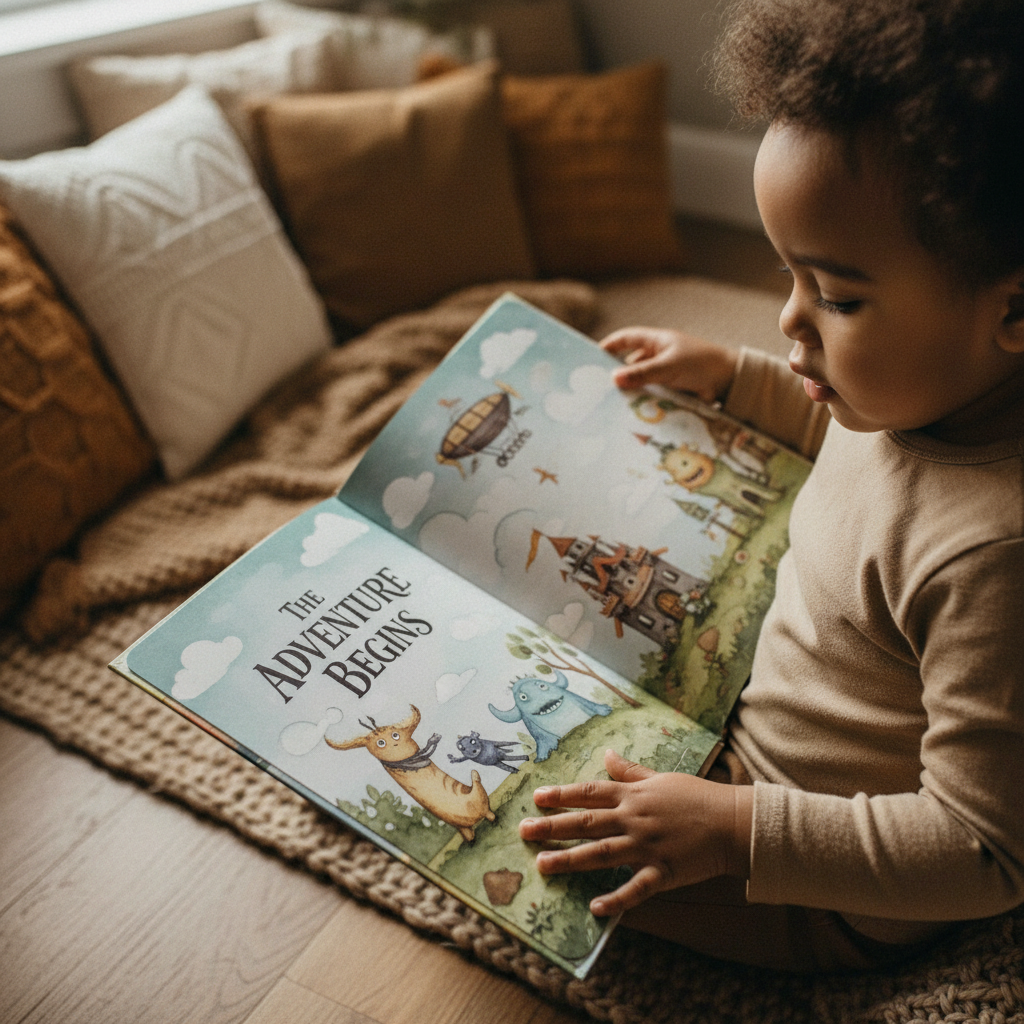
Building Empathy Through Characters
One of the essential elements of children’s books is character development. When kids connect with characters, they begin to understand and share the feelings of others. This connection fosters empathy, teaching children to recognize and respond to the emotions of people around them.
Books that feature diverse characters and experiences broaden a child's understanding of the world. They learn to appreciate different perspectives and cultures, paving the way for a more inclusive mindset.
Addressing Difficult Emotions
Children’s books can also help address difficult emotions such as fear, anger, and sadness. Through stories, children learn coping mechanisms and strategies to manage their feelings. This helps them become more resilient and capable of handling challenges.
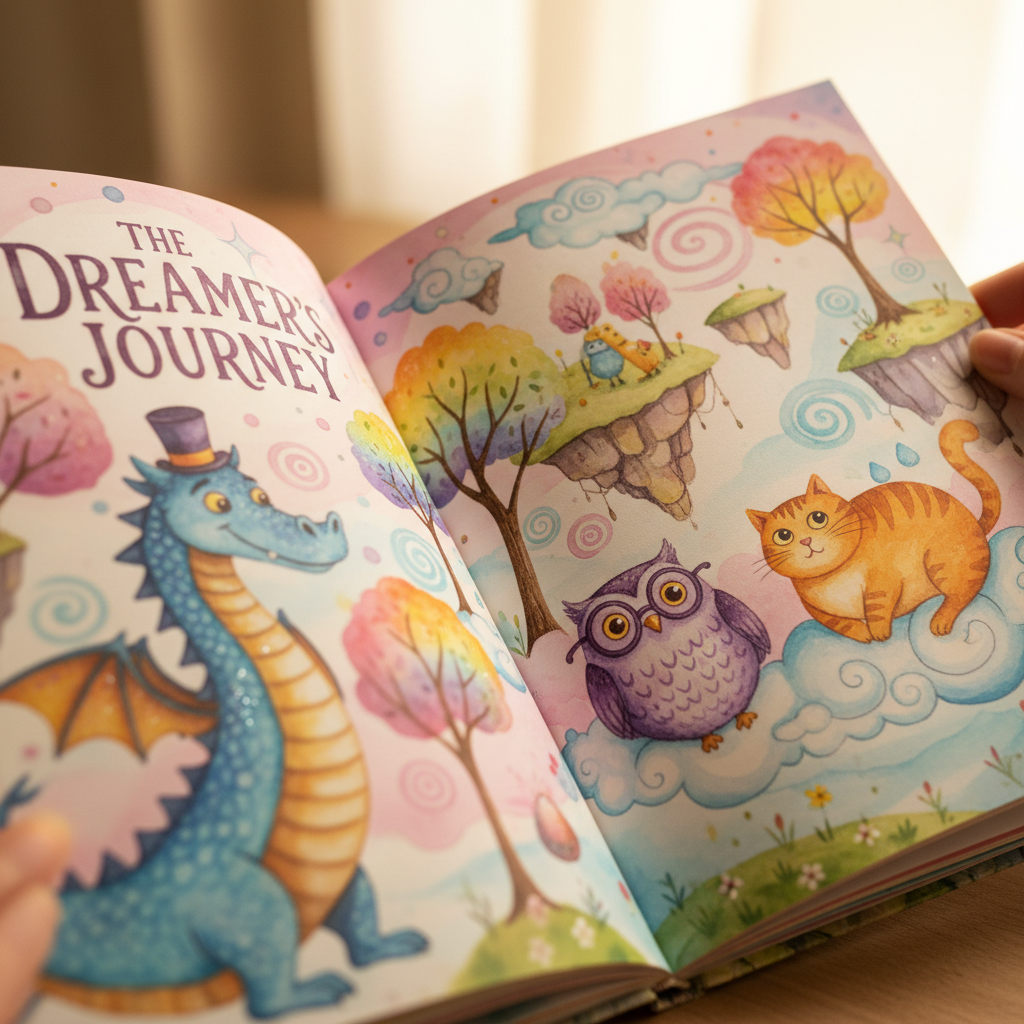
Books that tackle tough subjects like loss, bullying, or anxiety provide comfort and guidance. They reassure children that they are not alone in their feelings and that it’s okay to seek help when needed. This validation is crucial for emotional well-being.
Encouraging Open Communication
Reading together encourages open communication between children and caregivers. Books serve as conversation starters, providing opportunities to discuss emotions and personal experiences. This dialogue strengthens the bond and builds trust, making children feel safe to express themselves.
Parents and educators can use stories as tools to teach problem-solving and conflict resolution. By discussing characters' decisions and actions, children learn to make thoughtful choices in their own lives.

Choosing the Right Books
Selecting appropriate books is key to maximizing their impact on emotional growth. Consider the child’s age, interests, and current emotional needs. Look for stories with positive messages and relatable themes to engage and inspire young readers.
Incorporating a variety of genres and subjects keeps reading exciting and enriching. From fantasy adventures to real-life tales, each book offers unique lessons and insights.
Conclusion
Children’s books play a vital role in nurturing emotional growth. By providing relatable scenarios and diverse characters, they help children develop empathy, resilience, and communication skills. With the right stories, we empower young minds to understand and manage their emotions, paving the way for a brighter future.