Exploring Trends in Children's Literature: What's New in the Book World
Ho
Introduction to Children's Literature Trends
The world of children's literature is constantly evolving, with new themes, characters, and styles emerging to capture the imaginations of young readers. As society changes, so do the stories that resonate with children, reflecting contemporary values and challenges. Let's explore some of the latest trends shaping this vibrant literary landscape.
Diverse Voices and Inclusion
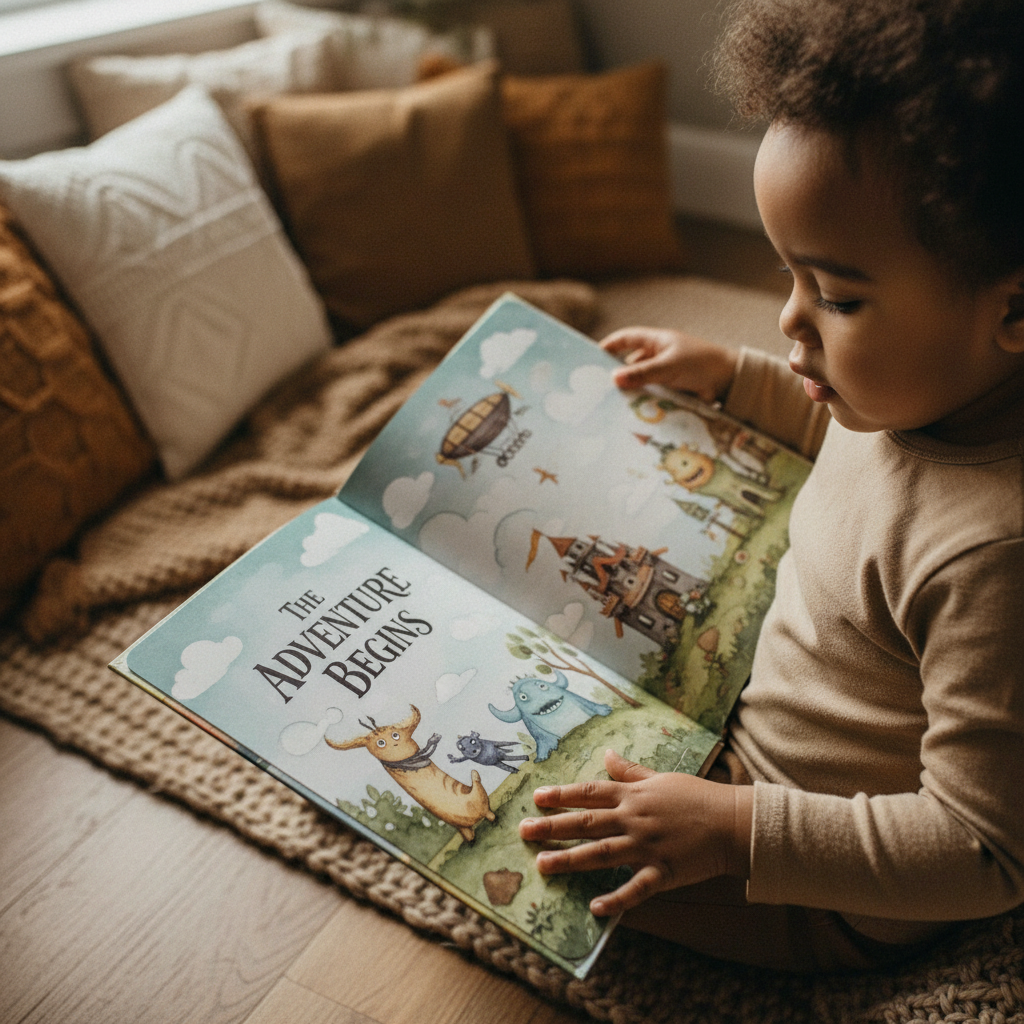
One of the most significant trends in children's literature is the focus on diversity and inclusion. Authors and publishers are increasingly prioritizing stories that reflect the varied experiences of children from different backgrounds. This includes books featuring characters of different ethnicities, abilities, and family structures. The goal is to provide all children with the opportunity to see themselves in the stories they read.
This trend not only enriches the reading experience but also fosters empathy and understanding among young readers. Books like "The Proudest Blue" by Ibtihaj Muhammad and "Julian Is a Mermaid" by Jessica Love are excellent examples of how diverse stories can captivate and educate.
Environmental Themes
As environmental concerns become more pressing, children's literature is responding by incorporating themes of conservation and sustainability. Books that encourage children to care for the planet are gaining popularity, aiming to inspire the next generation of environmental stewards.

Stories like "The Lorax" by Dr. Seuss have long been part of this tradition, but new titles are taking these themes further. Books such as "Greta and the Giants" by Zoë Tucker offer young readers compelling narratives about the importance of environmental activism.
Interactive and Digital Formats
With the rise of technology, children's literature is embracing digital and interactive formats. E-books, apps, and augmented reality experiences are transforming how children engage with stories, making reading more interactive and engaging. These formats often include games, puzzles, and animations, enhancing the storytelling experience.
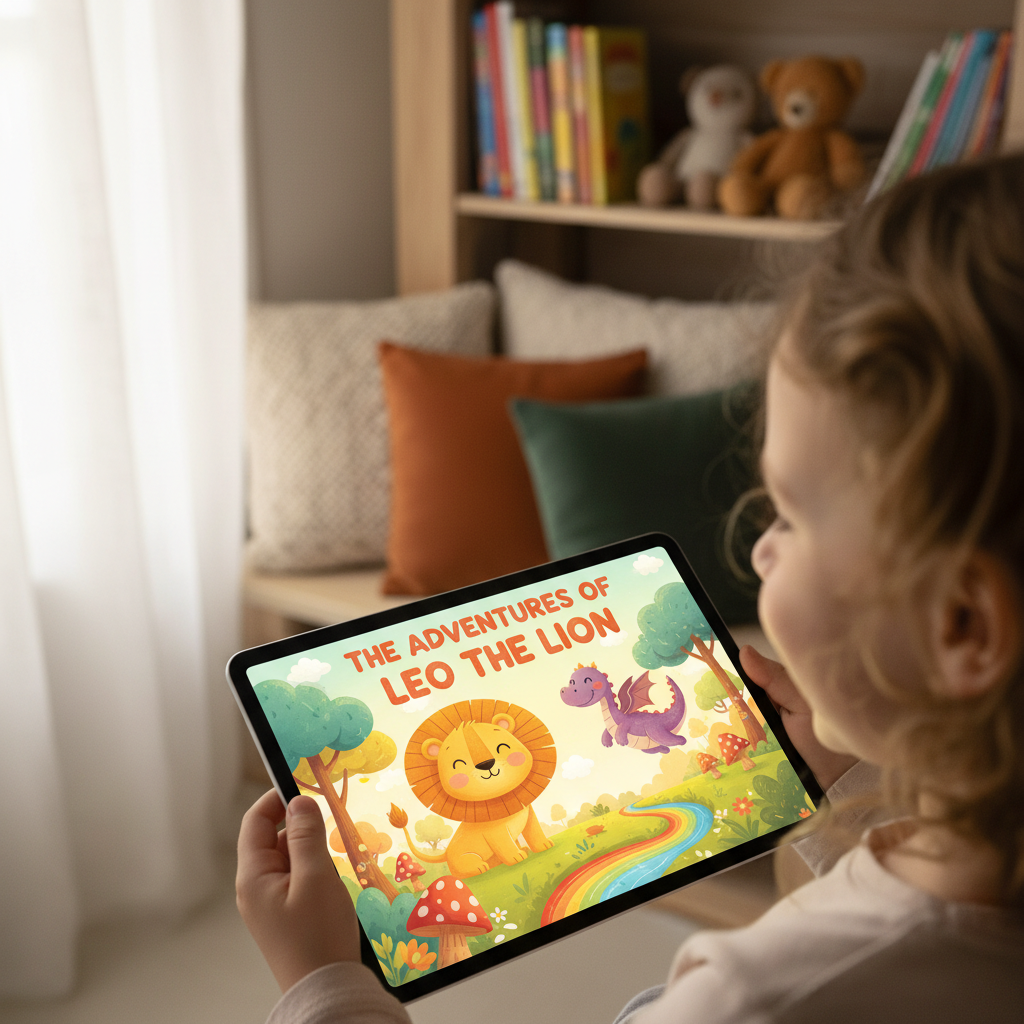
This shift towards digital is not just about entertainment; it also serves educational purposes. Interactive books can help develop literacy skills in new and exciting ways, providing a supplement to traditional reading practices.
Focus on Mental Health and Well-being
In recent years, there has been an increased awareness of mental health, and this is reflected in children's literature. Books that address topics like anxiety, resilience, and emotional intelligence are becoming more prevalent, providing tools for children to navigate their feelings.
Titles such as "The Invisible String" by Patrice Karst and "Ruby Finds a Worry" by Tom Percival offer gentle guidance and reassurance, helping children understand and articulate their emotions.
Conclusion
The trends in children's literature are a testament to the genre's dynamic nature and its ability to adapt to the changing world. By embracing diversity, environmental awareness, technological innovation, and mental health, children's books continue to play a crucial role in shaping the minds and values of young readers. As these trends evolve, they promise to keep the world of children's literature as magical and relevant as ever.