Helping Kids Cope: Understanding Child Grief Through Storytelling
Ho
The Power of Storytelling in Child Grief
Grief is a complex emotion that can be difficult for anyone to navigate, especially children. During such times, storytelling emerges as a powerful tool to help kids understand and express their feelings. By weaving narratives that resonate with their experiences, we can offer them comfort and clarity.
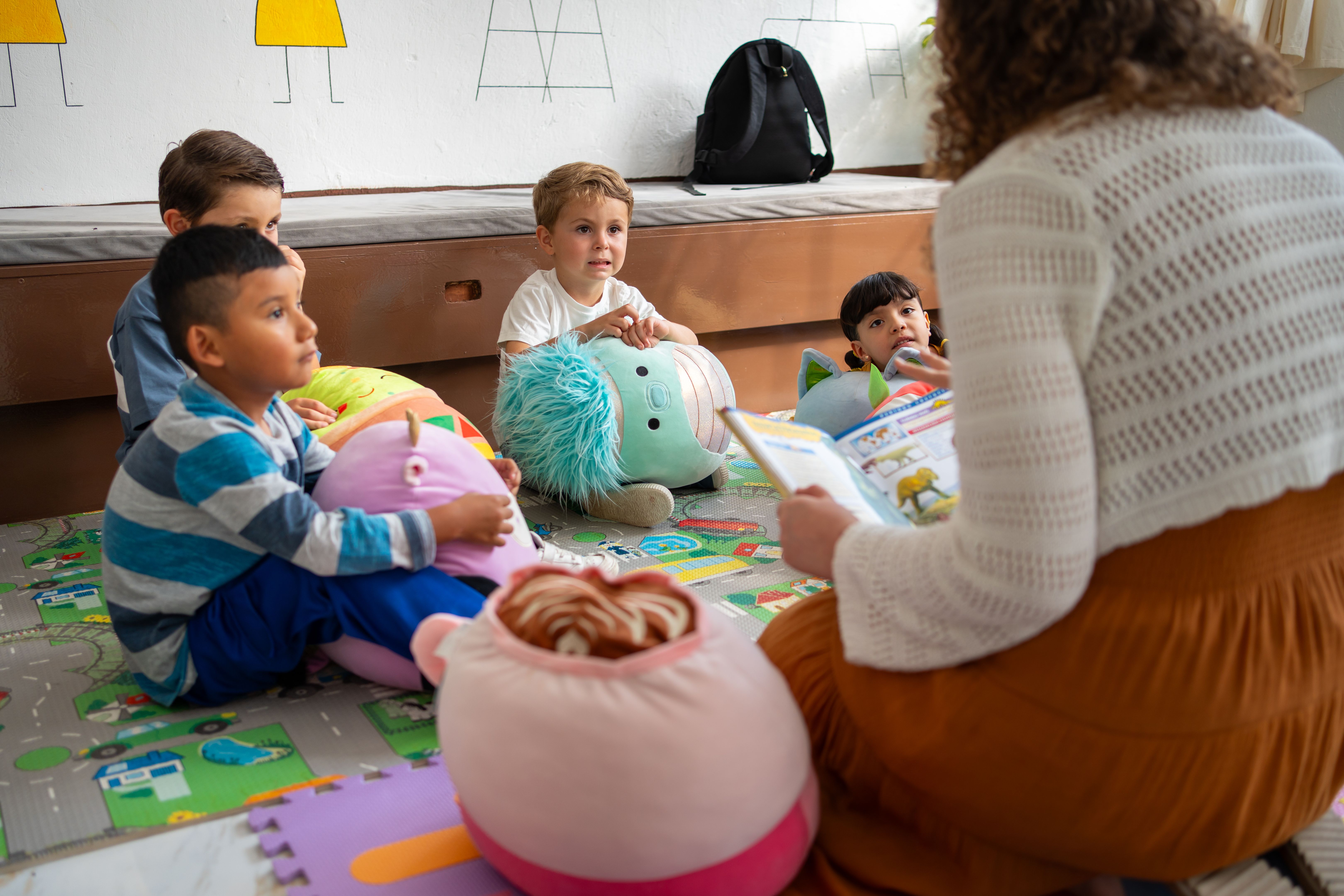
Stories provide a safe space for children to explore emotions and scenarios they might not fully understand. Through characters and plots, they can witness how others cope with loss, making their feelings more relatable and less isolating. This connection can be incredibly healing, allowing them to process their grief with a sense of companionship.
Why Stories Matter
When children listen to or read stories, they often see themselves reflected in the characters. This identification can be particularly beneficial during times of grief. Stories can help children develop empathy and understanding for their own emotions as well as those of others. They learn that it’s okay to feel sad, confused, or even angry.
Moreover, storytelling can introduce children to the idea of hope and recovery. Through narratives that show characters overcoming adversity, children can see that while grief is a part of life, it doesn't define it. This perspective can be invaluable in helping them rebuild their sense of normalcy.

Creating a Safe Space for Expression
Encouraging children to share their own stories is another effective way to help them cope with grief. Whether through drawing, writing, or speaking, expressing their thoughts and feelings can provide relief and understanding. It allows them to take control of their narrative, giving them a sense of empowerment during a time that might feel overwhelming.
Adults can support this by actively listening and validating their emotions. It's important to create an environment where children feel safe to express themselves without judgment. This validation can help reinforce their understanding of grief as a natural response to loss.

Using Stories to Teach Coping Strategies
Through storytelling, children can also learn practical coping strategies. Stories can illustrate different ways to manage emotions, such as talking to someone they trust, engaging in creative activities, or spending time in nature. By seeing these strategies in action, children may feel more inclined to try them out in their own lives.
Parents and educators can select stories that are age-appropriate and relevant to the child's situation. This ensures that the messages are accessible and impactful, making the storytelling experience both educational and therapeutic.
Conclusion: The Lasting Impact of Storytelling
Storytelling is not just a method of entertainment; it is a profound way to connect with children on an emotional level. By helping them navigate their grief through stories, we provide them with tools to understand their emotions and find a path towards healing. In doing so, we not only address the immediate pain of loss but also build their resilience for the future.
As we continue to share and create stories, we foster an environment where children can learn, grow, and ultimately, find peace amidst their grief.