How to Create a Positive Environment for Kids at Home
Ho
Understanding the Importance of a Positive Environment
Creating a positive environment for kids at home is crucial for their development. A nurturing atmosphere helps children feel secure, respected, and valued, which contributes to their emotional and intellectual growth. By fostering a supportive environment, parents can encourage their children to explore, learn, and thrive.
One key aspect of a positive environment is effective communication. Open and honest discussions about feelings, experiences, and expectations help build trust and understanding. It's essential for parents to listen actively and respond empathetically, making children feel heard and appreciated.
Creating a Safe and Comfortable Space
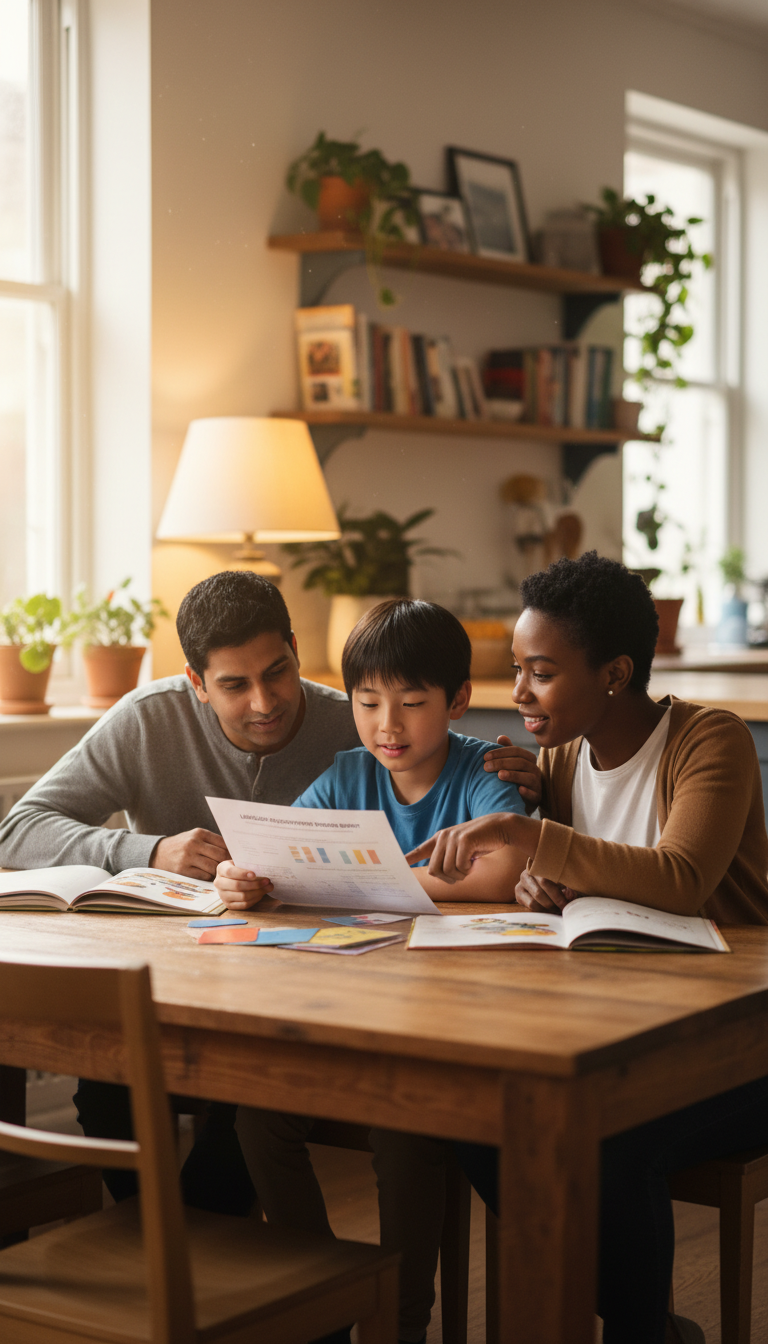
Ensuring a safe and comfortable space for children is fundamental. This involves both physical and emotional safety. On a practical level, parents should childproof their homes and ensure that spaces are clean and organized. A tidy environment reduces stress and helps children focus.
Emotionally, children need to feel safe to express themselves without fear of judgment or reprimand. Encourage them to share their thoughts and feelings openly, and validate their emotions by acknowledging their experiences. This builds a strong foundation of trust and security.
Encouraging Creativity and Exploration
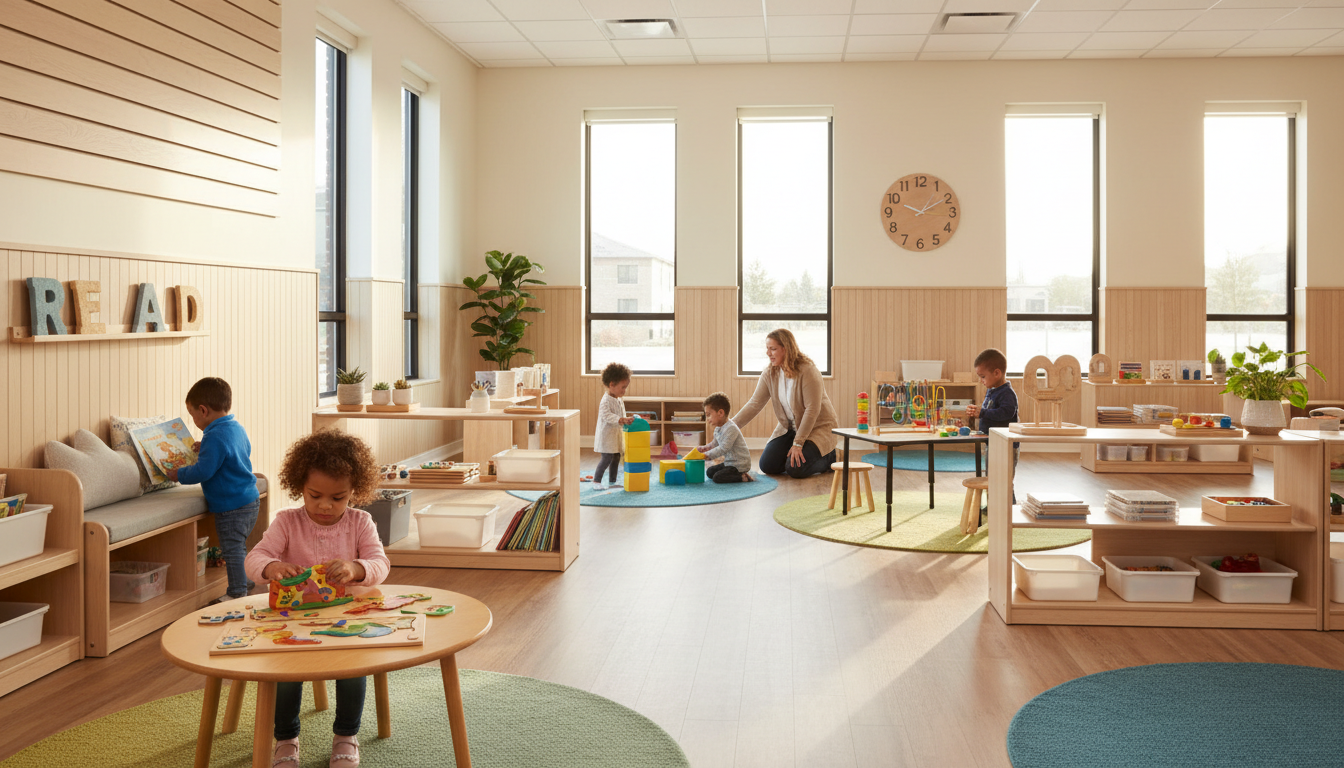
To foster creativity, provide children with opportunities to explore and express themselves. This could be through art, music, reading, or outdoor activities. Offer them a variety of materials and experiences to stimulate their imagination and curiosity.

Encourage play as a vital part of their daily routine. Play is not only fun but also an essential part of learning. It helps children develop critical thinking, problem-solving skills, and social interactions. Ensure that there is a balance between structured activities and free play.
Building a Routine and Consistency
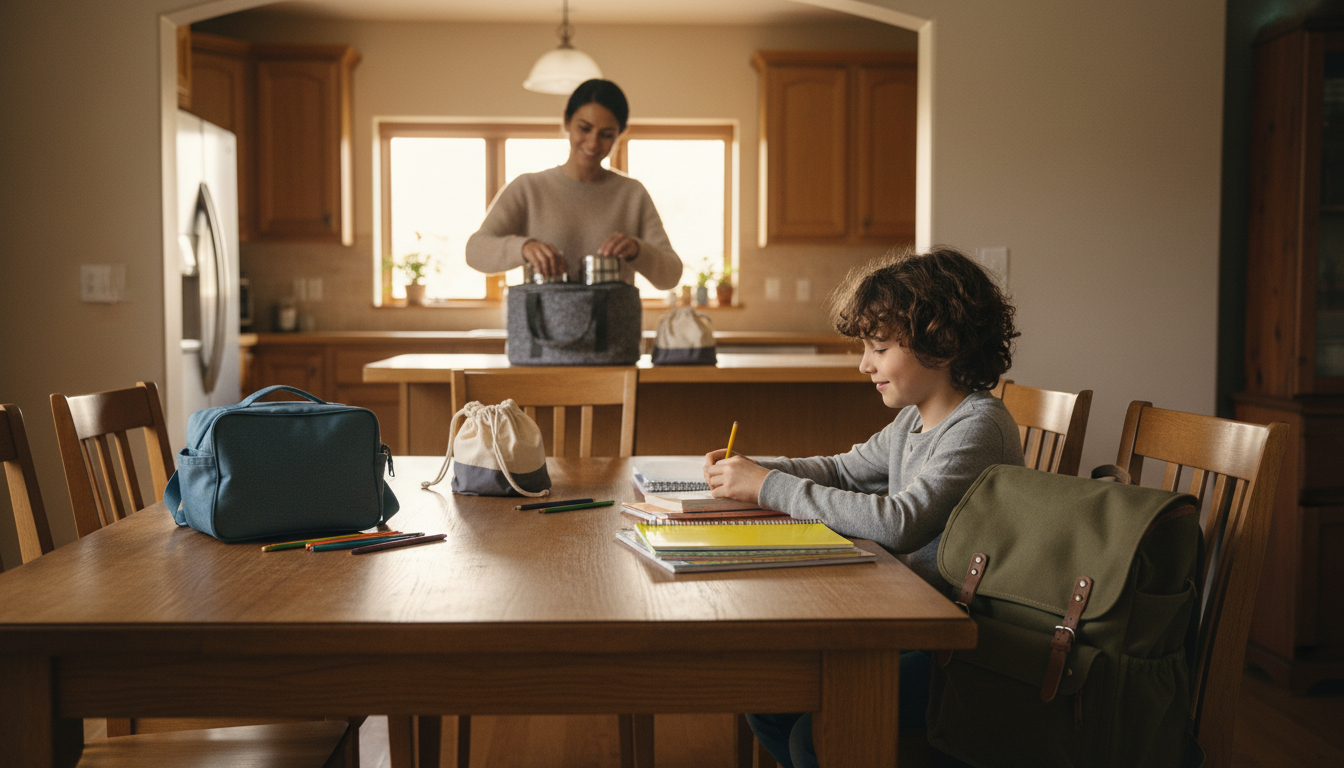
Establishing a routine provides children with a sense of stability and predictability. Consistent daily schedules help children understand what to expect and when, reducing anxiety and promoting a sense of control over their environment.
Include time for learning, play, meals, and rest. Flexibility is important, but maintaining a general structure helps children feel secure and develop healthy habits. Encourage them to participate in setting up the routine to foster independence and responsibility.
Promoting Positive Behavior
Positive reinforcement is a powerful tool in encouraging desirable behavior. Recognize and praise children for their efforts and achievements, no matter how small. This boosts their confidence and motivates them to continue exhibiting positive behavior.
Set clear and consistent rules and explain the reasons behind them. This helps children understand boundaries and the importance of respecting them. Use discipline as a teaching tool rather than a punishment, focusing on guiding and correcting behavior.
Fostering a Love for Learning
Encourage a love for learning by making it engaging and relevant to your child's interests. Provide a variety of books, educational games, and interactive activities that stimulate their curiosity and passion for discovery.
Be involved in their learning process by showing interest in what they are studying and asking questions. Your enthusiasm and support can significantly influence their attitude towards education and lifelong learning.
Conclusion
Creating a positive environment for kids at home involves a combination of safety, communication, creativity, routine, and encouragement. By focusing on these areas, parents can help their children grow into confident, curious, and well-adjusted individuals. Remember, the goal is to nurture and support your child's development in a loving and respectful manner.