Interactive Storytelling: Engaging Kids with Mindfulness and Magic
Ho
Introduction to Interactive Storytelling
In today’s fast-paced world, finding ways to engage kids meaningfully can be challenging. Interactive storytelling offers a captivating approach, blending the enchantment of stories with the calming essence of mindfulness. This fusion not only entertains but also educates, providing children with tools to manage stress and develop emotional intelligence.
The Magic of Storytelling
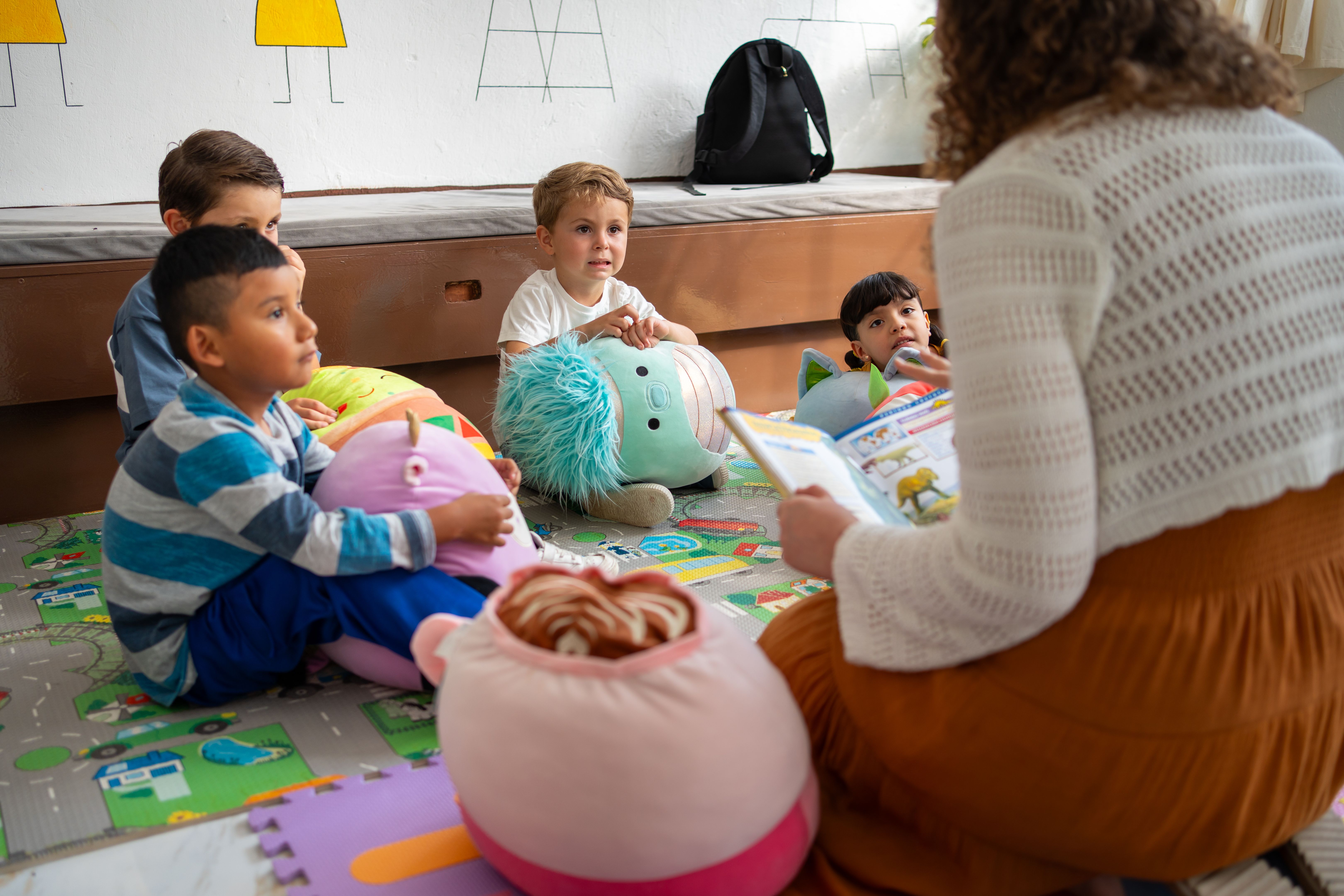
Stories have always been a powerful medium for communication. Through tales of adventure and fantasy, children learn about the world and themselves. By incorporating interactive elements, such as choices and sensory experiences, storytelling becomes an engaging journey where kids become part of the narrative. This immersion can enhance their creativity and problem-solving skills.
Interactive storytelling can take many forms, from guided meditation stories to choose-your-own-adventure books. These formats allow children to explore different outcomes and perspectives, enhancing their empathy and understanding.
Incorporating Mindfulness
Mindfulness, the practice of staying present and fully engaged in the moment, can be seamlessly integrated into storytelling. By encouraging kids to focus on their breathing or the sounds around them, they learn to center themselves and cultivate inner peace. These techniques can be woven into narratives, guiding children to reflect on their feelings and reactions.

For example, a story might pause to ask children how they feel about a character’s decision or to take a moment to appreciate the beauty of a scene. These pauses encourage self-awareness and emotional regulation, essential skills for personal development.
Benefits of Mindful Magic
Combining mindfulness with storytelling offers numerous benefits. Children become more attentive, develop a love for reading, and acquire tools to handle stress. This approach fosters a deeper connection with the material and encourages lifelong learning habits.
- Enhanced focus and concentration
- Improved emotional intelligence
- Greater creativity and imagination
- Better stress management
Creating Your Own Interactive Stories
Parents and educators can easily craft their own interactive stories. Start by choosing a simple plot and think about ways to include mindfulness exercises, like deep breathing or visualization. Encourage children to make choices that affect the story’s outcome, making them active participants in the narrative.

Involving children in the creation process can also be highly beneficial. Let them contribute ideas, characters, or even plot twists. This collaboration not only enhances their engagement but also boosts their confidence and sense of accomplishment.
Conclusion
Interactive storytelling is more than just a fun activity—it’s a powerful educational tool. By integrating mindfulness and magic, we can help children develop essential skills while nurturing their imagination. As they explore these stories, they learn about themselves and the world, preparing them for a future full of possibilities.