Nurturing Young Minds: The Role of Emotional Intelligence in Popular Children's Literature
Ho
In recent years, the concept of emotional intelligence has gained significant attention in educational and parenting circles. As a crucial component of personal development, emotional intelligence involves the ability to understand, manage, and express one's emotions, as well as the capacity to empathize with others. In the realm of children's literature, emotional intelligence plays a pivotal role in shaping young minds, fostering empathy, and developing social skills.
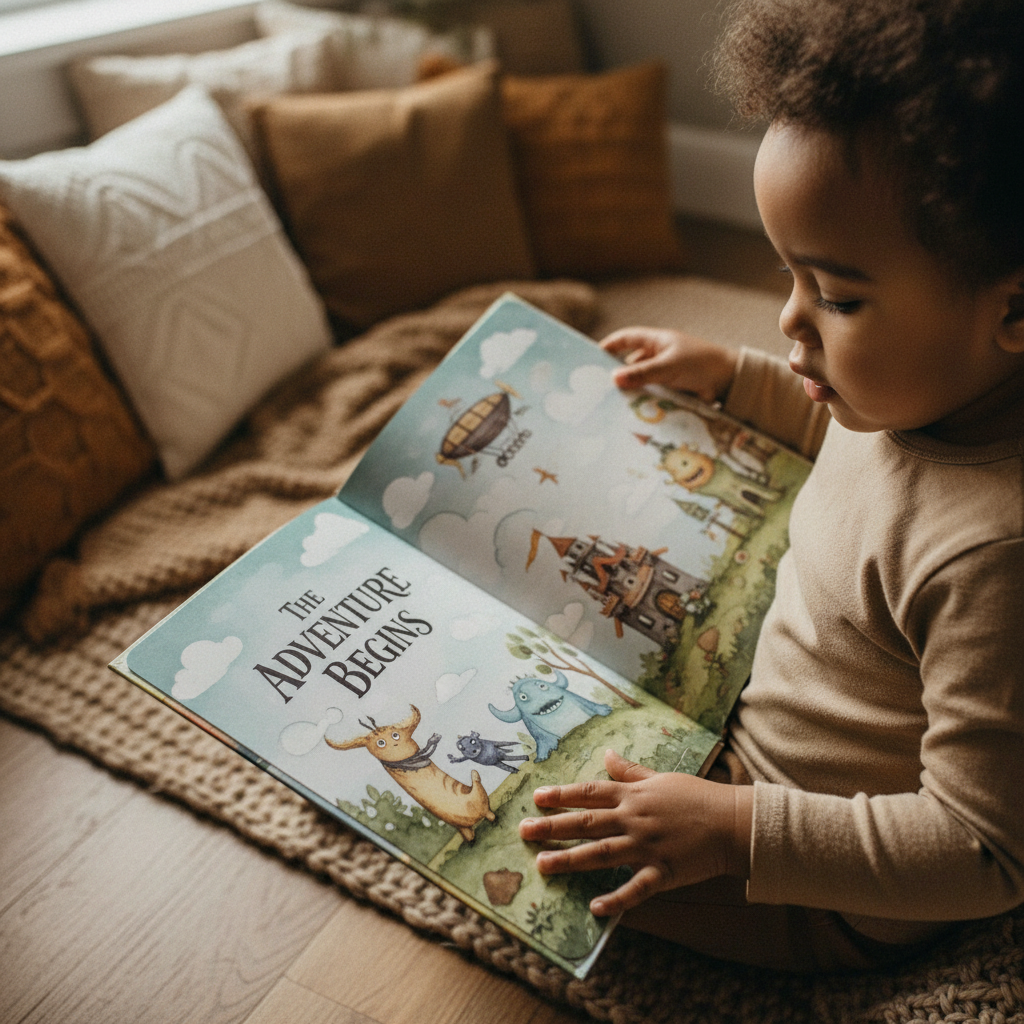
Children's books have long been a medium for imparting life lessons and values. Through engaging narratives and relatable characters, young readers are introduced to complex emotions and social dynamics. By exploring these stories, children learn to identify and articulate their feelings, a foundational step in emotional intelligence. Books like "Where the Wild Things Are" and "Inside Out" serve as excellent examples of literature that delve into the emotional world of children.
The Impact of Emotional Intelligence in Literature
Emotional intelligence in children's literature helps young readers navigate their own emotions and understand those of others. This understanding is crucial in developing empathy, which in turn enhances interpersonal relationships. When children encounter characters facing challenges, they learn to empathize with their struggles and triumphs, which can translate into real-life situations.
Furthermore, literature that incorporates emotional intelligence can aid in conflict resolution. By observing characters resolve their differences, children can learn effective strategies for managing conflicts in their own lives. This practical application of emotional intelligence is invaluable in fostering harmonious relationships both at home and in school.
Building Empathy Through Storytelling
Storytelling is a powerful tool for nurturing empathy. When children are exposed to diverse characters and scenarios, they begin to appreciate perspectives different from their own. Books like "Wonder" and "The Hundred Dresses" introduce themes of kindness, acceptance, and understanding, encouraging children to embrace diversity and show compassion.

Moreover, stories that include characters with varied backgrounds and experiences can help children recognize and celebrate differences. This exposure not only broadens their worldview but also prepares them for a more inclusive and empathetic society. As they relate to characters and their journeys, children build a deeper sense of connection to the world around them.
Developing Social Skills Through Literature
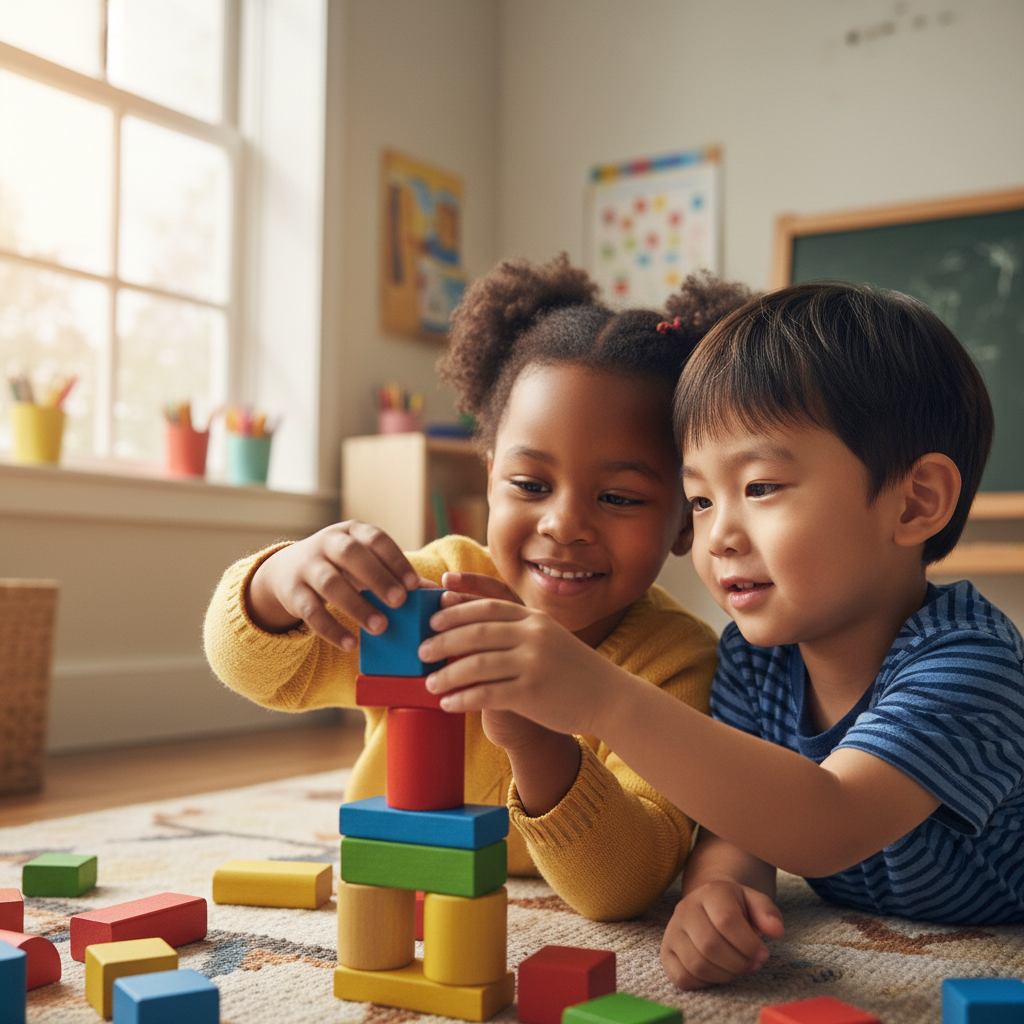
Children's literature also plays a crucial role in developing social skills. Books often depict interactions between characters, providing models of communication, cooperation, and problem-solving. Young readers can observe how characters express their needs, listen to others, and work together to achieve common goals.
Additionally, literature can introduce children to the concept of emotional regulation. By witnessing characters manage their emotions, children learn techniques for calming themselves, expressing their feelings appropriately, and responding to challenging situations with resilience.
Conclusion
Incorporating emotional intelligence into children's literature is an effective way to nurture young minds. By engaging with stories that highlight emotional and social themes, children develop the skills necessary for emotional well-being and successful relationships. As they grow, these skills become integral to their personal and social development, equipping them to navigate a complex and ever-changing world.
Ultimately, the role of emotional intelligence in children's literature is not just about teaching children how to understand emotions, but about empowering them to become empathetic, compassionate, and well-rounded individuals.