The Role of Children's Books in Building Emotional Intelligence
Ho
Introduction to Emotional Intelligence
Emotional intelligence (EI) is a crucial skill that helps individuals navigate social complexities, manage behavior, and make personal decisions that achieve positive results. Developing EI from an early age can lead to well-rounded, empathetic adults. One effective way to nurture this development is through children’s books.
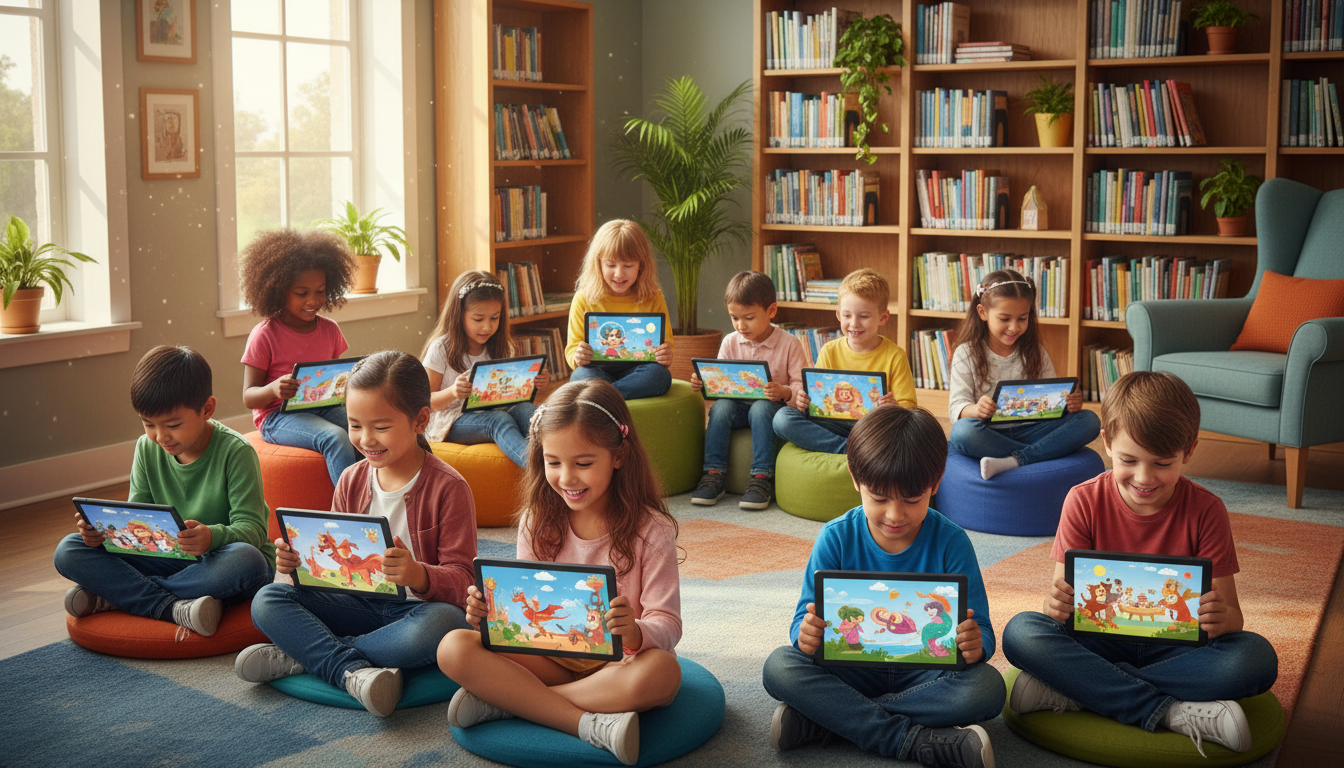
The Power of Storytelling
Children's books offer more than just entertainment; they are a gateway to understanding emotions. Through storytelling, young readers can experience a wide range of emotions in a safe environment. This exposure helps them learn to identify and articulate their feelings.
Stories often present characters in various situations, allowing children to empathize and recognize different emotional responses. By seeing how characters handle challenges and emotions, children can learn valuable lessons about managing their own feelings.
Building Empathy through Characters
Empathy is a core component of emotional intelligence. Books with diverse characters and situations enable children to step into the shoes of others, fostering a deeper understanding of differing perspectives. This is particularly important in a world that is increasingly interconnected.

Enhancing Vocabulary and Communication
Children's books play a significant role in enhancing vocabulary and communication skills, both of which are integral to emotional intelligence. By introducing children to words that describe emotions, they become more adept at expressing themselves clearly and effectively.
Books often use descriptive language to convey complex emotions, providing children with the tools they need to articulate their feelings and understand those of others. This ability to communicate is crucial for emotional and social development.
Interactive Reading and Discussion
Interactive reading sessions with parents or educators can significantly enhance the emotional learning experience. Discussion prompts related to the story can encourage children to think critically about the emotions being portrayed and relate them to their own experiences.

Choosing the Right Books
Selecting the right children's books can make a significant difference in building emotional intelligence. Look for books that cover a range of emotions, include diverse characters, and offer relatable situations. Books with positive, thoughtful messages can leave a lasting impact on young minds.
Incorporating books that address complex emotions, such as fear, jealousy, or sadness, can also prepare children to handle these feelings constructively. It is essential to choose age-appropriate books that align with a child's comprehension level.
Conclusion: A Lifelong Impact
Children's books are a powerful tool in building emotional intelligence, offering lessons that can last a lifetime. By fostering empathy, enhancing communication, and providing relatable scenarios, these books lay the foundation for emotionally intelligent individuals who can navigate the world with sensitivity and understanding.
As parents, educators, and caregivers, it is our responsibility to provide children with the resources they need to grow emotionally. Investing in quality children's literature is an investment in a child's future emotional well-being.