The Role of Positive Feedback in Child Development: Insights for Parents
Ho
The Importance of Positive Feedback
Positive feedback plays a crucial role in child development. It helps build self-esteem, fosters motivation, and encourages healthy behavior patterns. By acknowledging a child's efforts, parents can significantly influence their child's emotional and psychological growth.
Children thrive in environments where their achievements, no matter how small, are recognized and celebrated. This recognition helps them develop a sense of accomplishment and boosts their confidence, inspiring them to tackle new challenges.

Building Self-Esteem
Positive feedback is a cornerstone in building a child's self-esteem. When children feel valued, they are more likely to develop a positive self-image. This sense of self-worth encourages them to engage actively in learning and social interactions.
Parents can use simple affirmations like "Great job!" or "I'm proud of you!" to acknowledge their child's efforts. These affirmations not only celebrate accomplishments but also reinforce the child's belief in their capabilities.
Encouraging Motivation
Positive feedback serves as a powerful motivator. When children recognize that their efforts are appreciated, they are more likely to pursue their goals with enthusiasm. Feedback that emphasizes effort rather than just results can be particularly effective.
- Focus on the process rather than the outcome.
- Encourage persistence and resilience.
- Celebrate small victories to inspire continued effort.
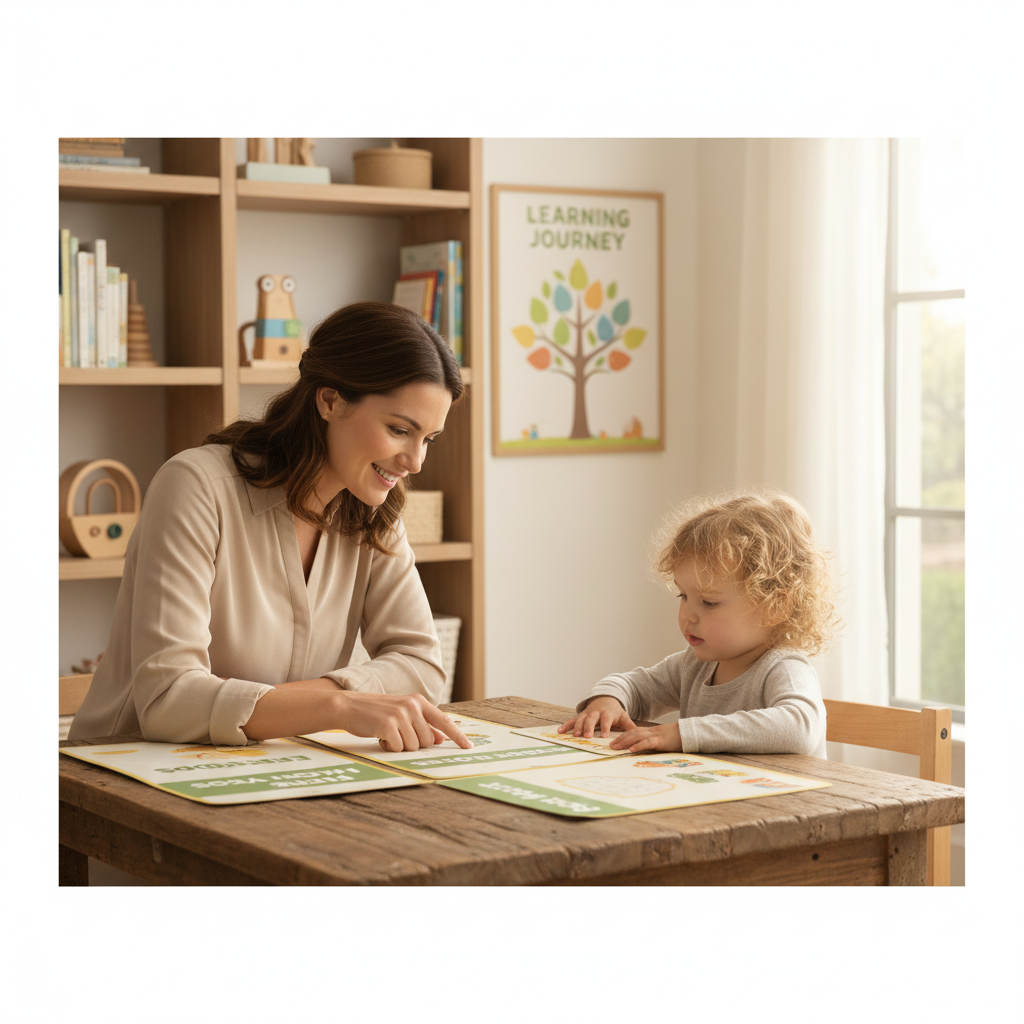
Promoting Healthy Behaviors
By providing positive feedback, parents can help shape their child's behavior. Constructive feedback encourages children to repeat desirable actions, whether it's completing homework, sharing with friends, or expressing emotions healthily.
Parents should aim to be specific in their feedback. Instead of saying "Good job," try "I noticed how patiently you waited your turn. Well done!" This specificity helps the child understand exactly what behaviors are appreciated.
Practical Tips for Parents
To effectively use positive feedback, parents should keep a few strategies in mind:
- Be genuine and sincere in your praise.
- Provide feedback immediately after the desired action.
- Balance positive feedback with constructive criticism when necessary.

Incorporating these strategies into your daily interactions can create a supportive environment where children feel encouraged and valued. This nurturing atmosphere is essential for fostering a love of learning and personal growth.
In conclusion, positive feedback is a powerful tool in child development. By recognizing and celebrating their child's efforts, parents can empower their children to reach their full potential, develop resilience, and cultivate a lifelong love of learning.