Your Mind, Your Magic: The Impact of Positive Feedback for Kids
Ho
Understanding Positive Feedback
Positive feedback is a powerful tool in nurturing a child's development. It involves offering encouraging words and acknowledging their achievements, big or small. By doing so, you can help children build confidence and self-esteem, which are essential for their growth.
When children receive positive feedback, they are more likely to engage in activities with enthusiasm and a willingness to learn. This constructive reinforcement not only boosts their morale but also helps them develop a love for learning and exploration.

The Psychological Benefits
Positive feedback contributes significantly to a child’s mental well-being. It can reduce anxiety and stress, creating a safe environment where children feel valued and understood. This supportive atmosphere encourages them to express themselves freely and develop healthy emotional responses.
Moreover, children who regularly receive positive feedback are more resilient. They learn to approach challenges with a growth mindset, understanding that mistakes are part of the learning process. This resilience is crucial for overcoming obstacles and achieving long-term success.
Building Strong Relationships
Offering positive feedback is also a way to strengthen relationships between children and adults, whether they are parents, teachers, or mentors. When children feel appreciated, they are more likely to trust and communicate openly with adults, fostering a positive and lasting connection.
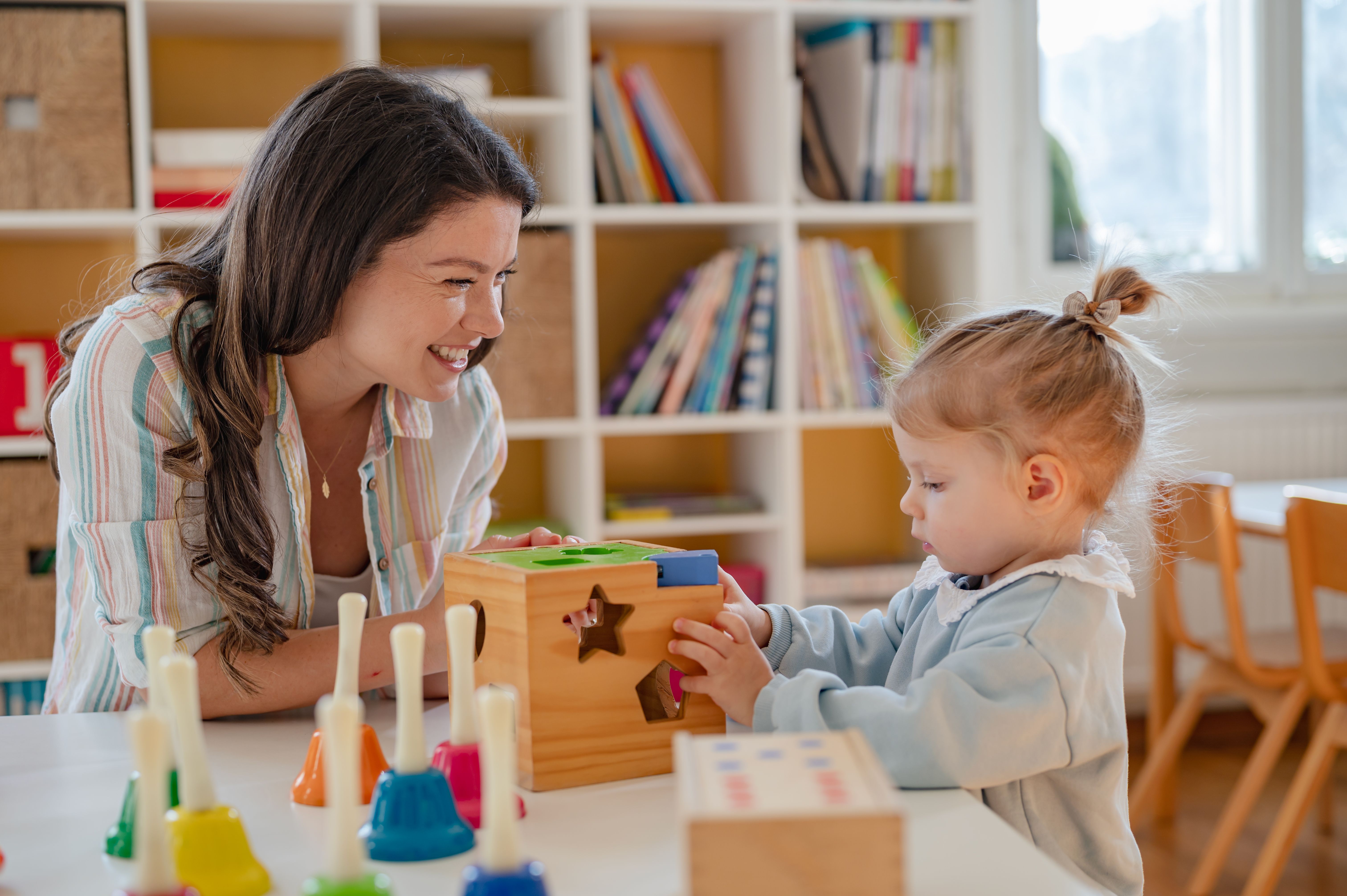
These strong relationships provide a foundation for effective communication. Children feel more comfortable sharing their thoughts and concerns, knowing they will be met with understanding and support.
Encouraging Positive Behaviors
When children are praised for their efforts and achievements, they are more inclined to repeat those behaviors. Positive reinforcement encourages them to strive for excellence and develop good habits over time.
This approach can be particularly beneficial in educational settings. Teachers can use positive feedback to motivate students to participate actively and take initiative, leading to improved academic performance and classroom behavior.

Practical Tips for Providing Positive Feedback
To effectively provide positive feedback, it's important to be specific. Instead of general praise, focus on particular actions or behaviors you want to reinforce. This helps children understand what they did well and how they can continue to improve.
- Acknowledge effort, not just results.
- Be sincere and genuine in your praise.
- Provide feedback promptly, while the event is still fresh.
By incorporating these strategies, you can ensure that your feedback is meaningful and impactful, helping children to thrive.